 English

 admin
admin 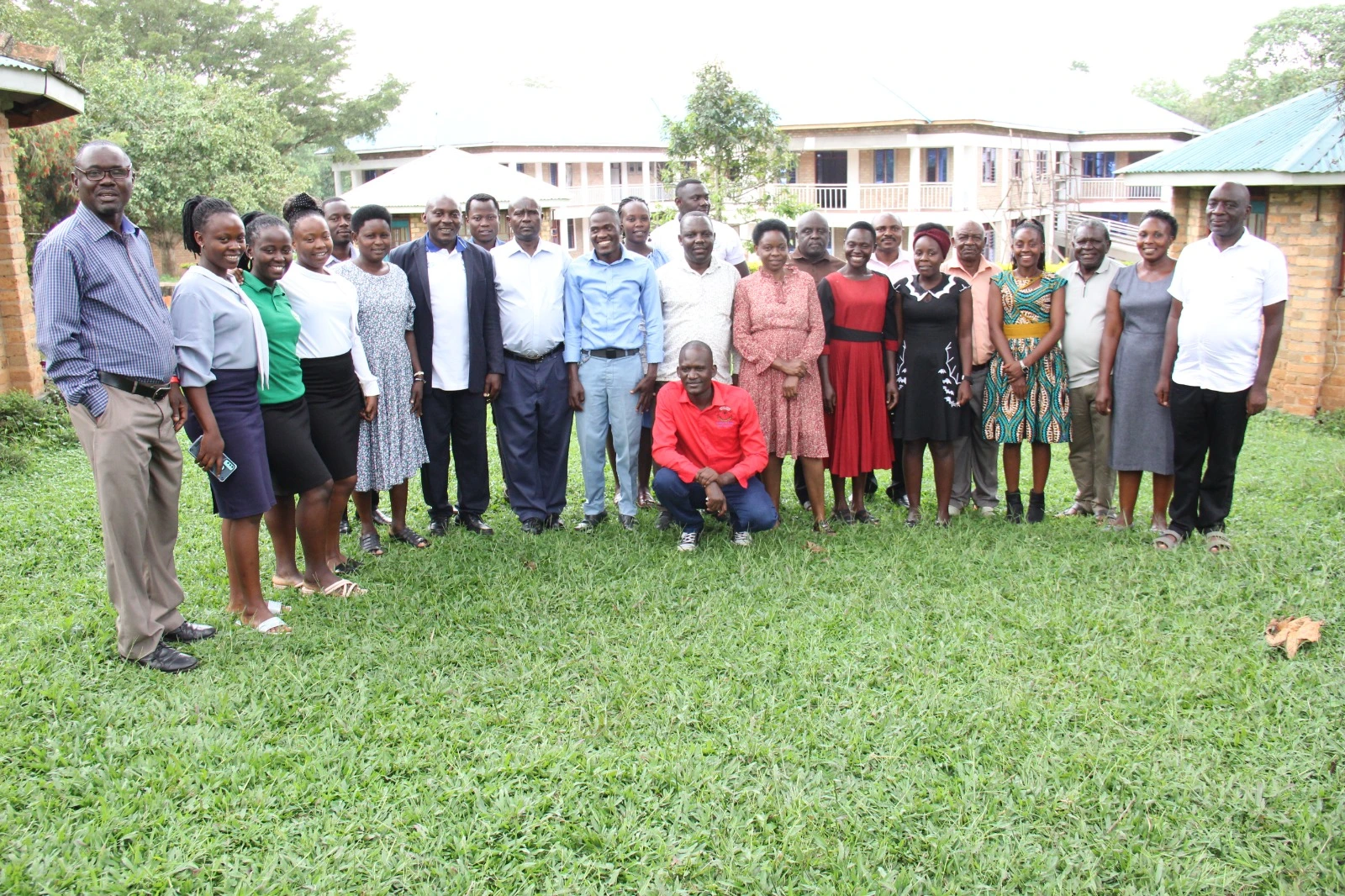
African Rural University (ARU) has successfully completed its year-long participation in the Digital Hub for Open Research in East Africa, an initiative coordinated by INASP and funded by the Templeton World Charity Foundation. The project, which officially launched on May 2, 2025, at ARU’s Centre for Reflection, aimed to empower researchers and communities across Uganda and the region to embrace open, collaborative, and inclusive research practices.
Transforming ARU’s Education Model
For ARU, the project was more than a training program,it was an opportunity to integrate open research principles directly into its rural-focused education model. Over the year, faculty, students, and local researchers engaged in a combination of hands-on community-based research, digital learning modules, and regional exchange visits.
The university trained 10 faculty researchers, equipped 50 local researchers with practical open science skills, and developed 6 Open Research Champions through INASP’s Train-the-Trainer program. Additionally, 3 collaborative rural-based research projects were launched, demonstrating how research can directly address community challenges while enhancing learning outcomes for students.
18 student researchers finalized community-based research projects aligned with the core principles of open science ie transparency, ethical data gathering, knowledge sharing, and dissemination.
“The Digital Hub has strengthened ARU’s education model, embedding open research in student learning, faculty practice, and community engagement,” said Dr. Mwalimu Musheshe, Vice Chancellor of ARU. “We are proud of the tangible impact this project has had on both our university and the communities we serve.”
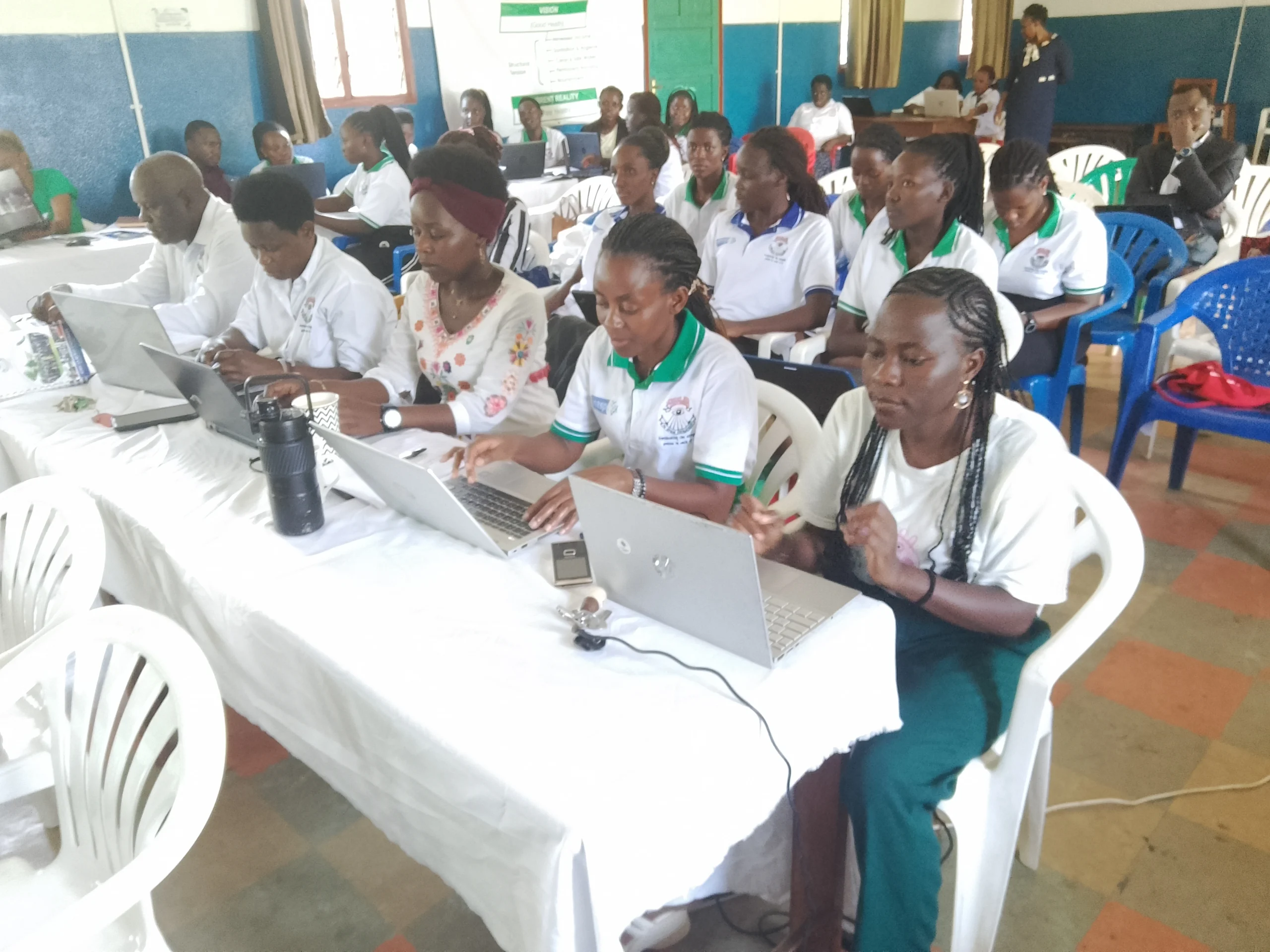
Open research participants during the Data Analysis Workshop
Hands-On Learning and Regional Collaboration
A key component of the project was blended learning. ARU hosted physical workshops featuring top Ugandan open research scholars, including Dr. Gad Ruzaza and Dr. John Okello, alongside students, faculty, and community members. Beyond Uganda, the ARU Digital Hub team including Dr. Maali Chrispo, Project Coordinator, Denis, and Oluba Delacco traveled to Kenya and Tanzania, engaging with universities such as Garissa University to share knowledge, strengthen networks, and learn best practices in open science.
“Being part of the Digital Hub has shown me how partnerships and support can make open research sustainable,” said Oluba Dennis Delacco, Resource Mobilization Officer. “It’s exciting to see ARU’s work reach students, faculty, and communities across East Africa.”
Sustainability and the Way Forward
To ensure lasting impact, ARU established a Community of Practice, an Open Research Club is underway , and a WhatsApp group to sustain peer learning and mentorship. Students in the online open research community of practice are now applying the skills gained, and faculty members are embedding open research principles into courses and supervision.
“The project has transformed how ARU approaches research and learning,” said Dr. Maali Chrispo, Project Coordinator. “Open research is now part of our institutional culture, connecting students, faculty, and communities for meaningful social transformation.”
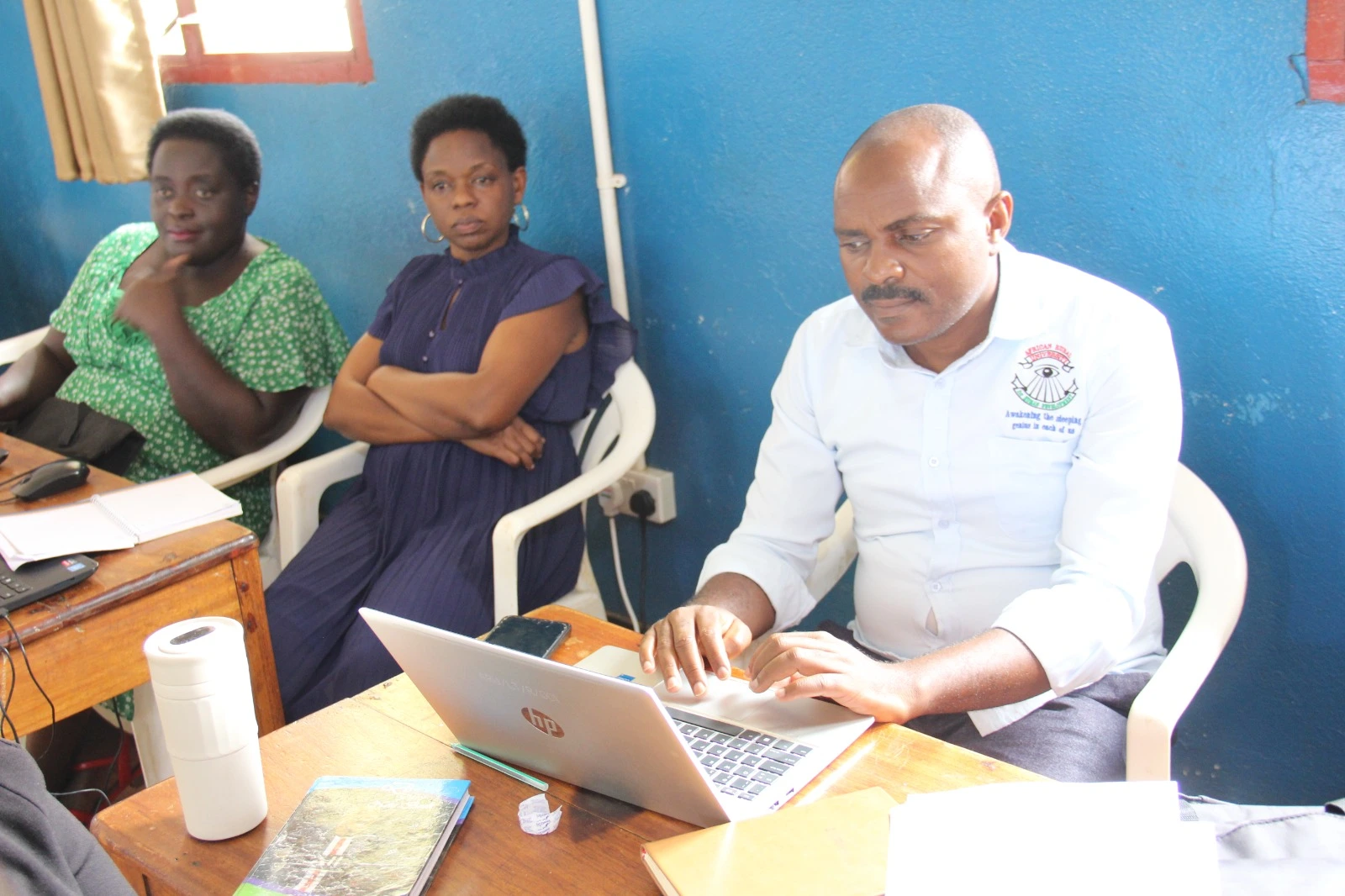
Dr. Maali Chrispo, the Project Coordinator in a digital hub for open research workshop alongside other participants
A Model for Rural Universities
The success of the Digital Hub at ARU demonstrates that rural universities can be leaders in open, inclusive, and community-centered research. Through capacity building, community engagement, and regional collaboration, ARU has strengthened its role as a hub for knowledge generation that directly benefits rural communities.
With the project completed, ARU is now well-positioned to continue scaling open research practices, ensuring students, faculty, and communities are empowered to produce, share, and use knowledge in ways that drive social change across Uganda and East Africa.
