Find an ARU programme and understand what it offers
Every ARU programme blends 60% theory with 40% practical fieldwork in real rural communities. Search below, filter by area of study, and open a programme for its full course structure.
ARU uses five working premises that inform the ideology of the University. The first holds that the people of Africa, like the people world over, are key to their own development.
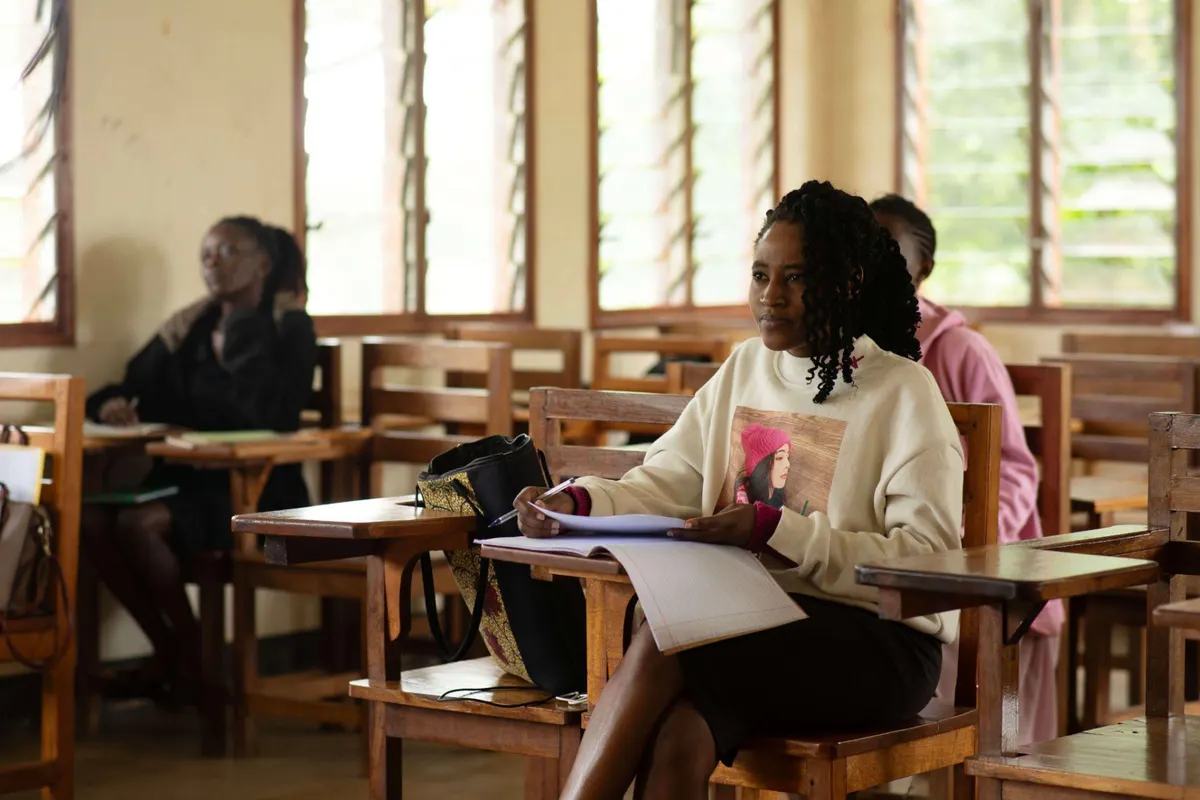
Learning connects a girl, her family and her community. Through the URDT Schools' 2-Generations approach, girls become visionary leaders and change-makers in their homes and villages.
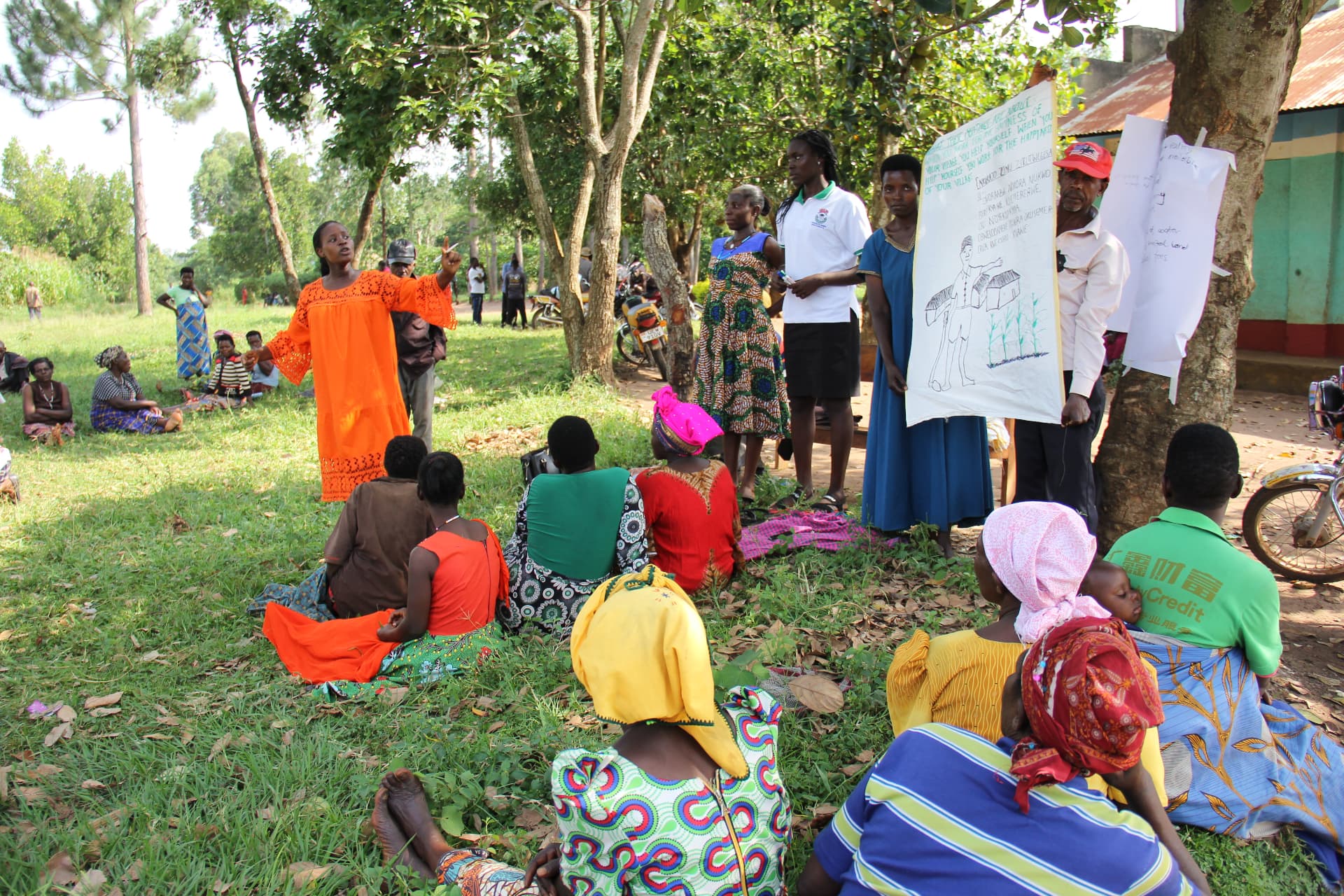
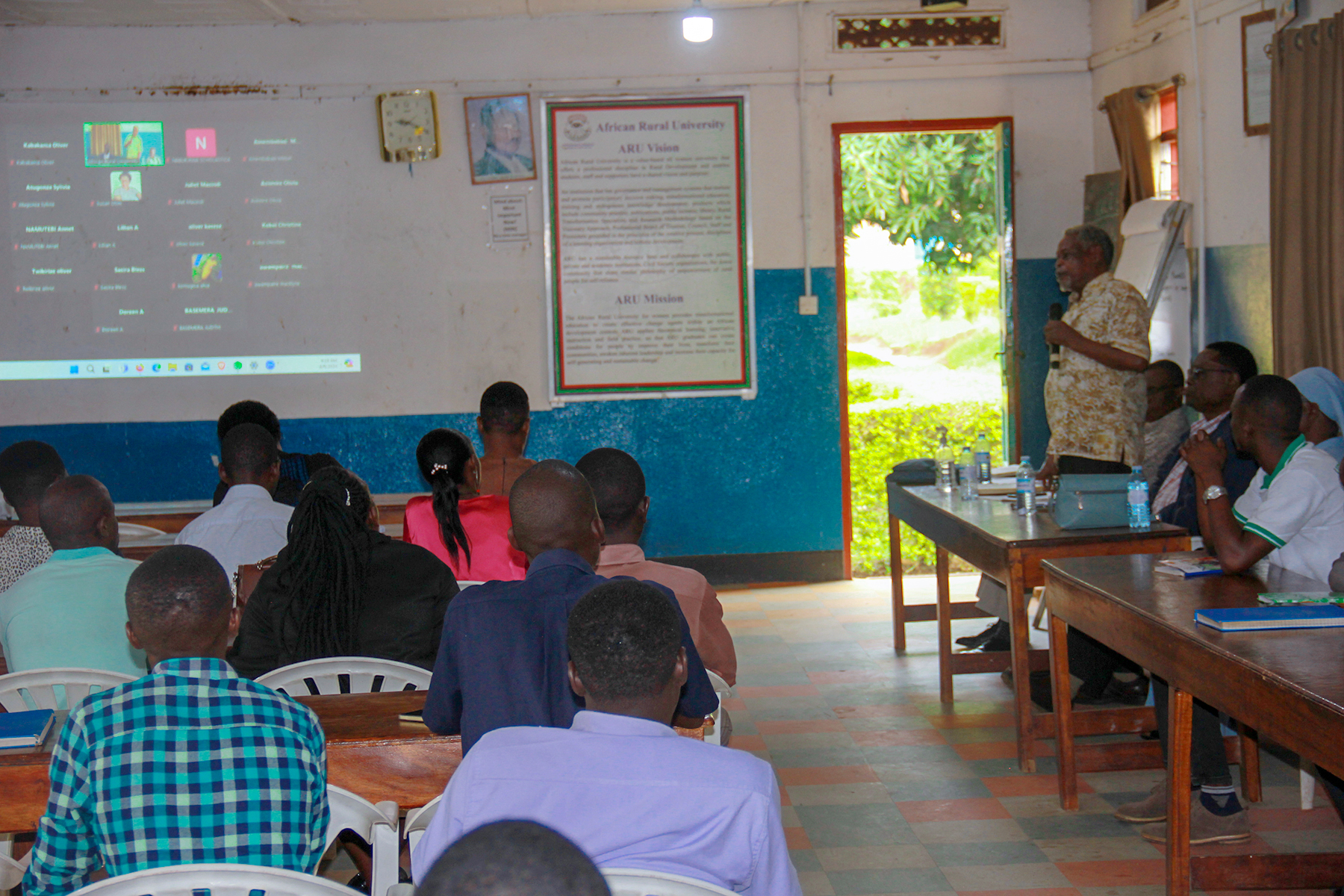
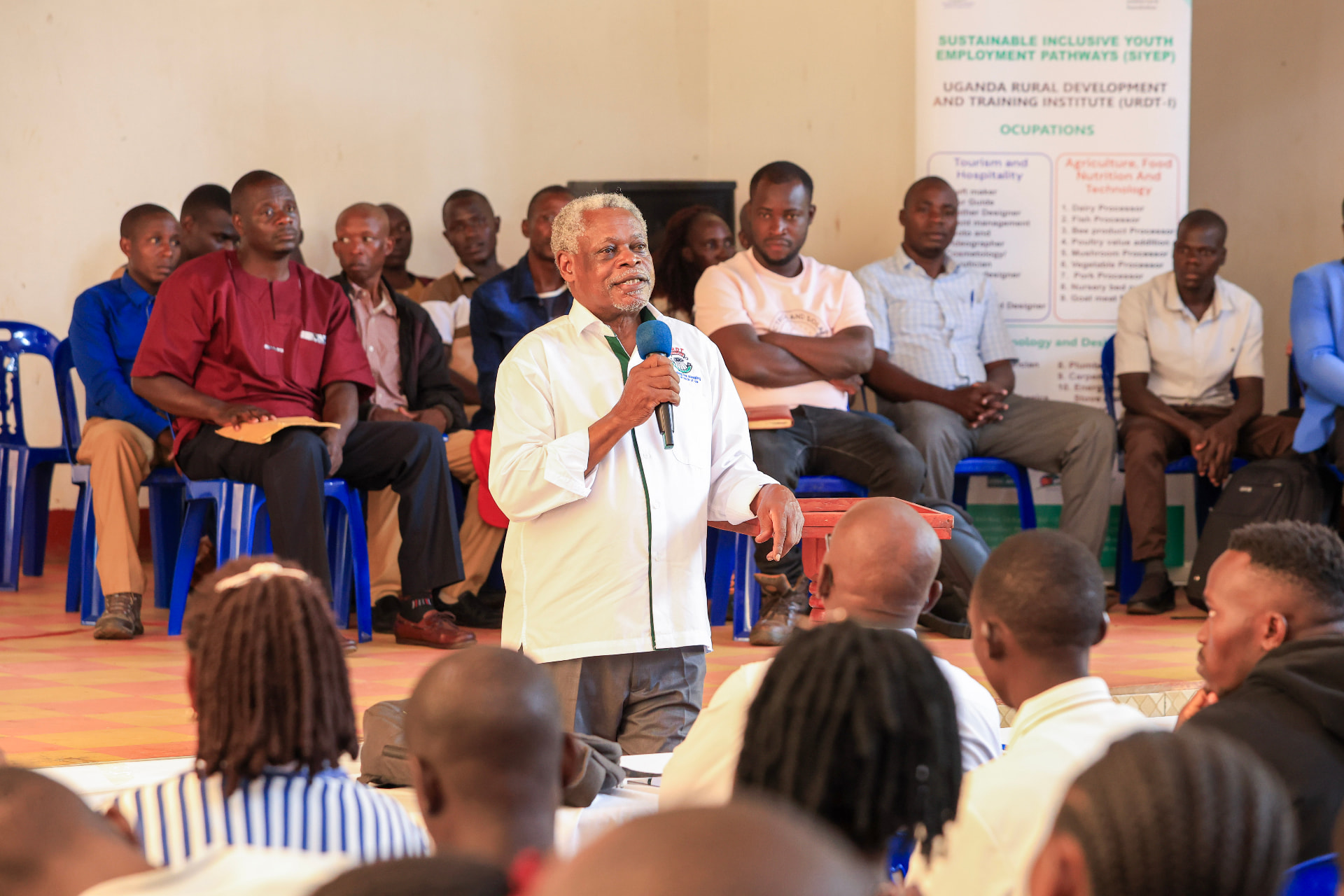
The Foundation Course is an ongoing, university-wide and community-inclusive learning platform. It brings people together each weekday to explore ideas, share experience and learn from one another.
This is a continuous learning experience, not simply a one-time orientation programme for new students.
Daily schedule
Monday to Friday
7:45 AM to 9:00 AM
Participants
Students, University staff, Community members, Invited resource persons.
One Learning Community. Diverse Perspectives. Shared Transformation.
Learning together through presentations and discussionSharing knowledge, experience and diverse perspectives
Topics of Discussion
01Social issues and community development.
02Economic transformation and entrepreneurship.
03Political awareness, leadership and governance.
04Technology, digital transformation and innovation.
05Culture, indigenous knowledge and traditional wisdom.
06Environment and sustainable development.
Methodology
The Foundation Course uses participatory and experiential learning methodologies, including: