Skip to content
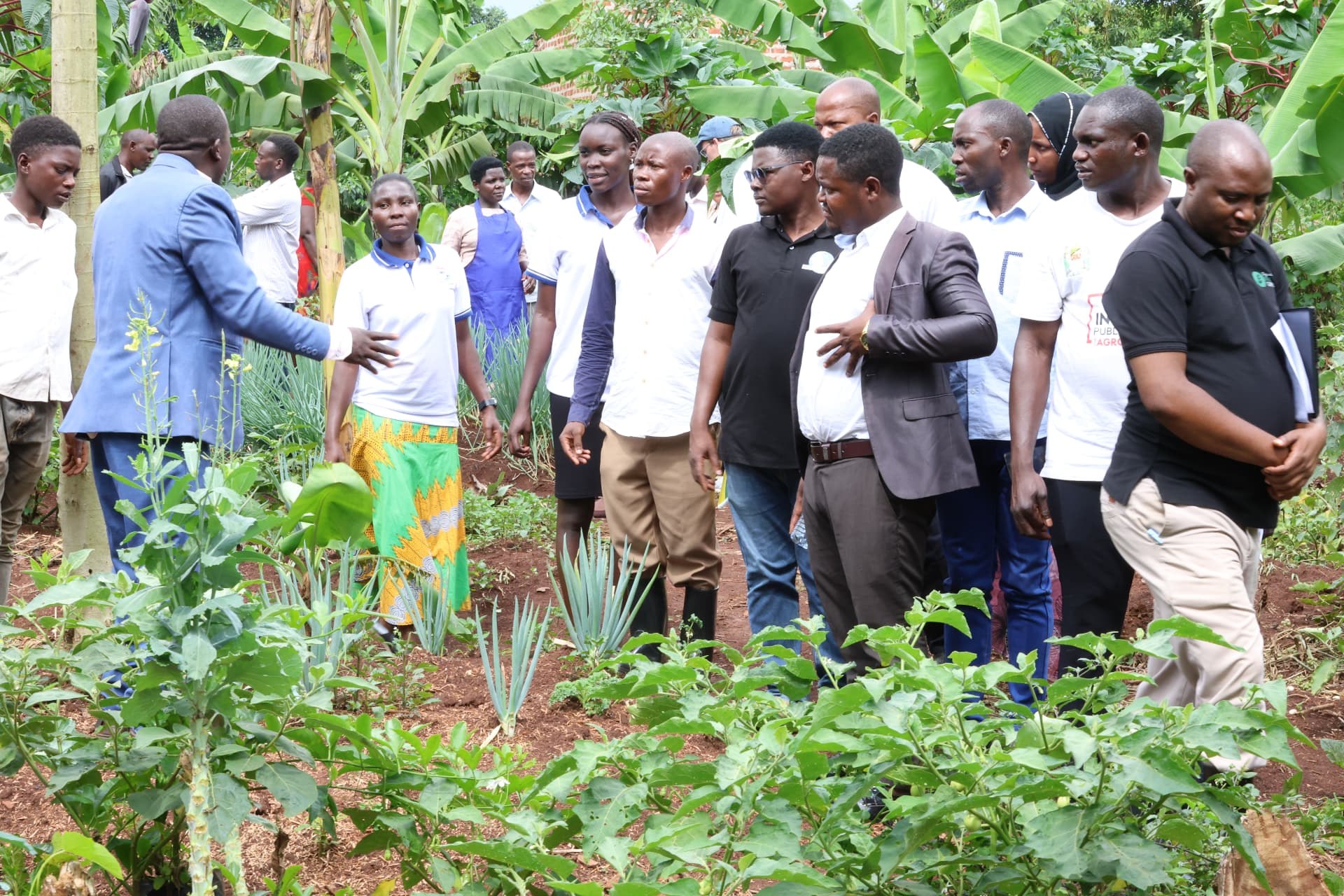
A group listening to a speaker among green crops and banana plants

ARU Ecosystem

A place for learning, living and rural transformation

African Rural University is more than lecture rooms in Kagadi. It is a green campus inside a working rural landscape, shared with trees, monkeys, gardens, neighbours and the villages that teach here.

A campus inside the landscape

ARU sits in the green hills of Kagadi. Lecture rooms open onto lawns, gardens and tree lines rather than car parks.

Living with the wildlife

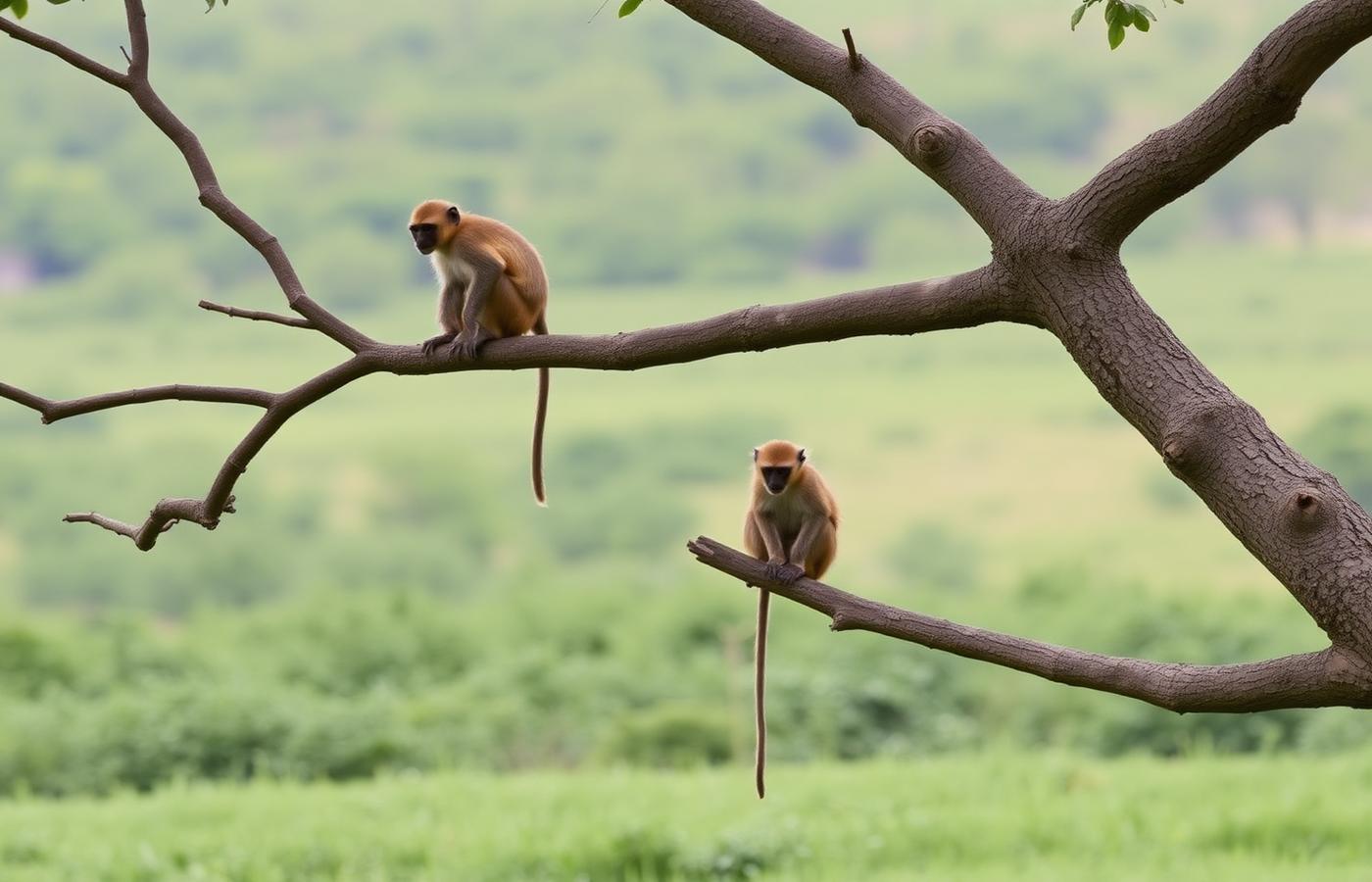
Monkeys move through the trees, birds nest above the walkways and the campus is shared with the ecology around it.

Food grown where it is studied

Demonstration plots and gardens are part of the teaching estate, students learn agriculture on the land they live on.

A community, not a commuter campus

Students, staff and visiting community members live and eat together, which is why learning here feels like belonging.

The university and its villages

The rural communities around ARU are classrooms, partners and hosts. The boundary between campus and community is deliberately thin.

Quiet enough to think

Evenings on campus are for reading, conversation, radio production and rehearsal, the pace of the place is part of the education.

The Green Campus

Learning for sustainability

At ARU, sustainability is not simply taught. It is lived, explored and practised, turning the campus into a living laboratory where students learn from nature, communities and indigenous wisdom. Students value biodiversity, indigenous plants, seeds and natural resources, and put sustainable agriculture into practice on the land they live on.

"The ARU campus is not only a place to study sustainability. It is a place to practise it, and to learn from the wisdom that communities have carried for generations."
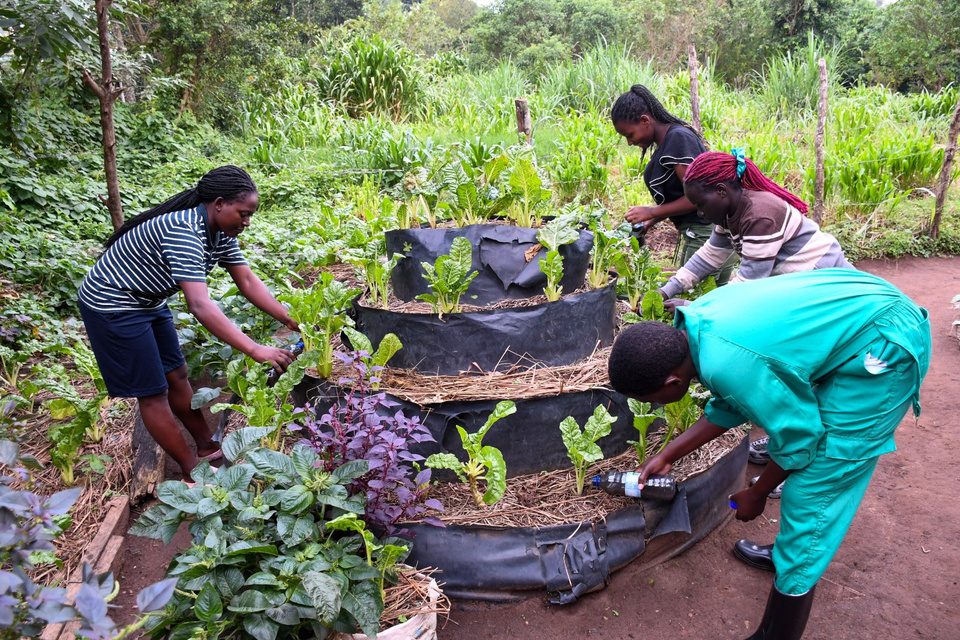
Students tending vegetables in a tiered sack garden surrounded by green plants
Monkeys resting in trees on the ARU campus

Nature and neighbours

The monkeys were here first

The University is set within a forested environment where students learn, walk and live alongside indigenous trees and wildlife, including monkeys such as calabash monkeys. Learning here extends beyond buildings and classrooms, and environmental stewardship is daily practice.

Acres of green campus
Placeholder
Tree species on campus
Placeholder
Partner rural epicentres
Placeholder
Km from Kagadi town
Placeholder

Figures to be confirmed by ARU.

Campus and community in pictures

Learning, practical demonstrations and life alongside rural communities.

  • Students tending vegetables in a tiered sack garden surrounded by green plants
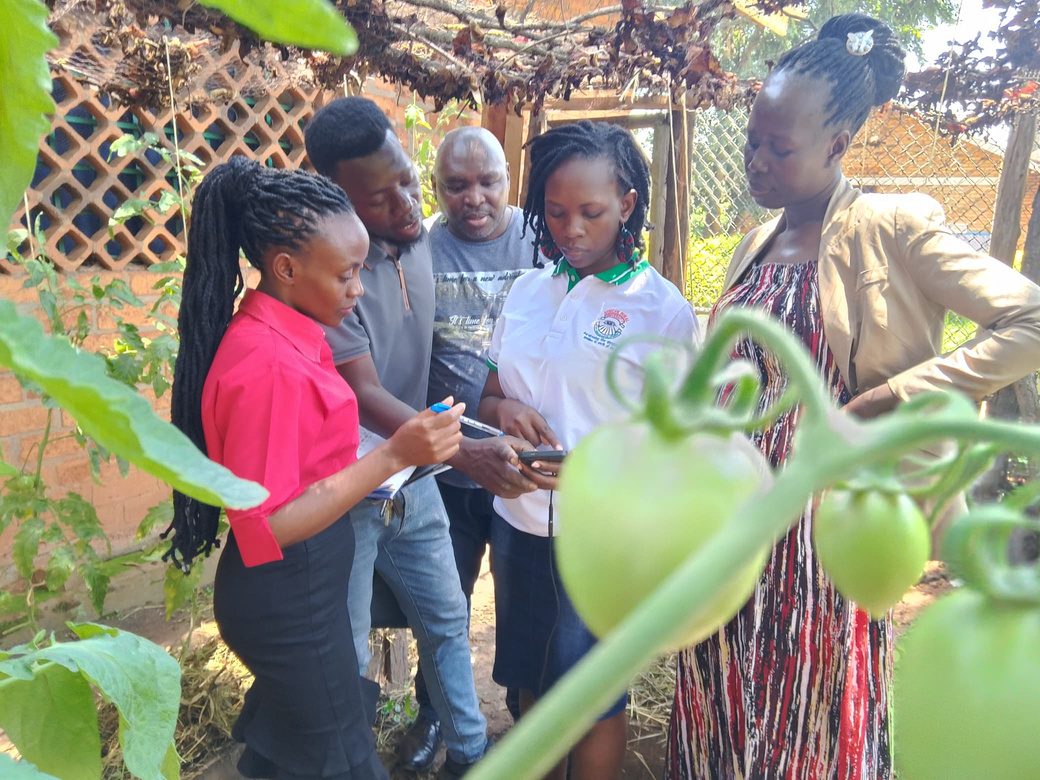
  • Students and staff reading a phone screen together in a tomato garden
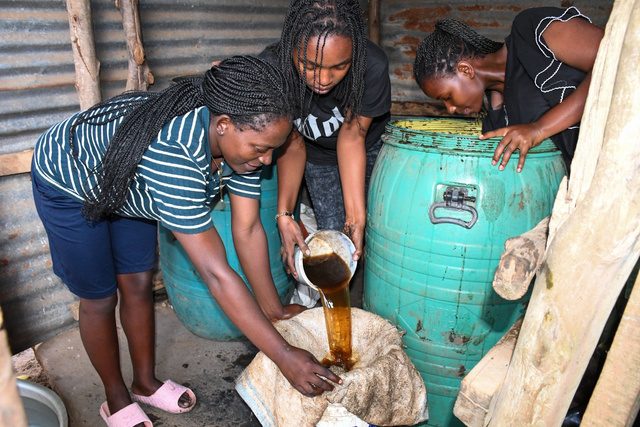
  • ARU students pouring a liquid organic fertiliser from a bucket into a container beside blue drums
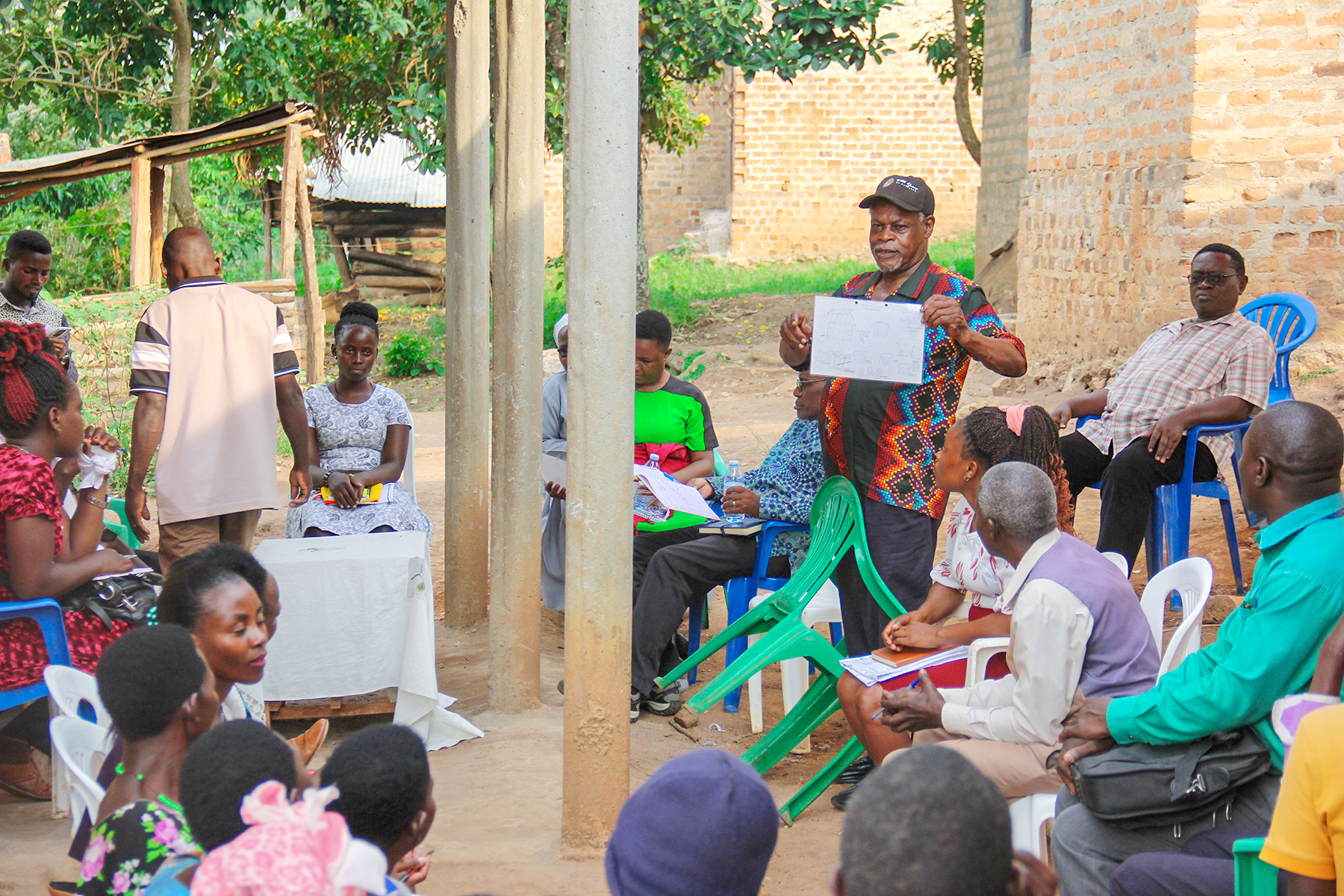
  • A group listening to a speaker among green crops and banana plants
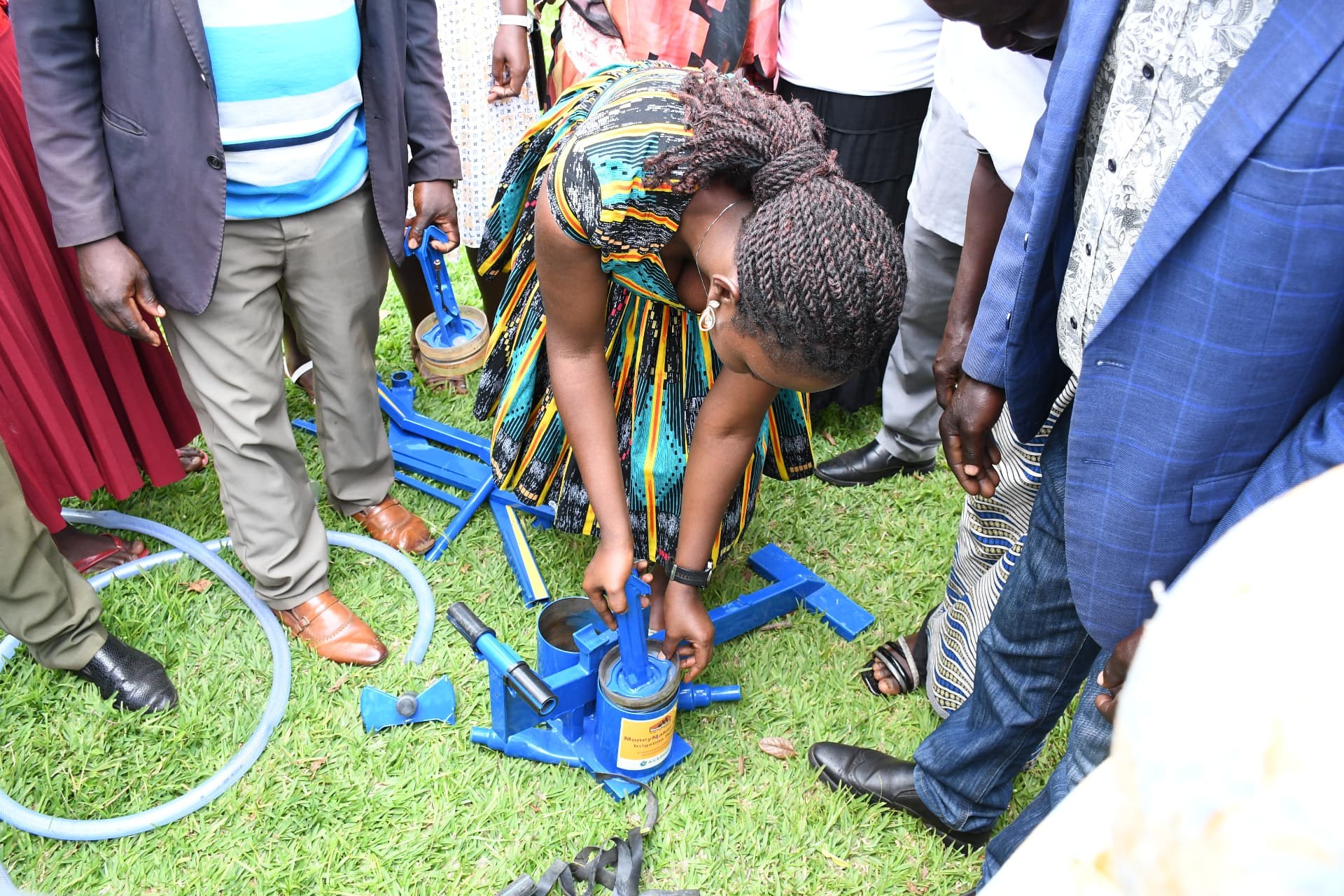
  • A woman operating a blue water pump while a group watches outdoors
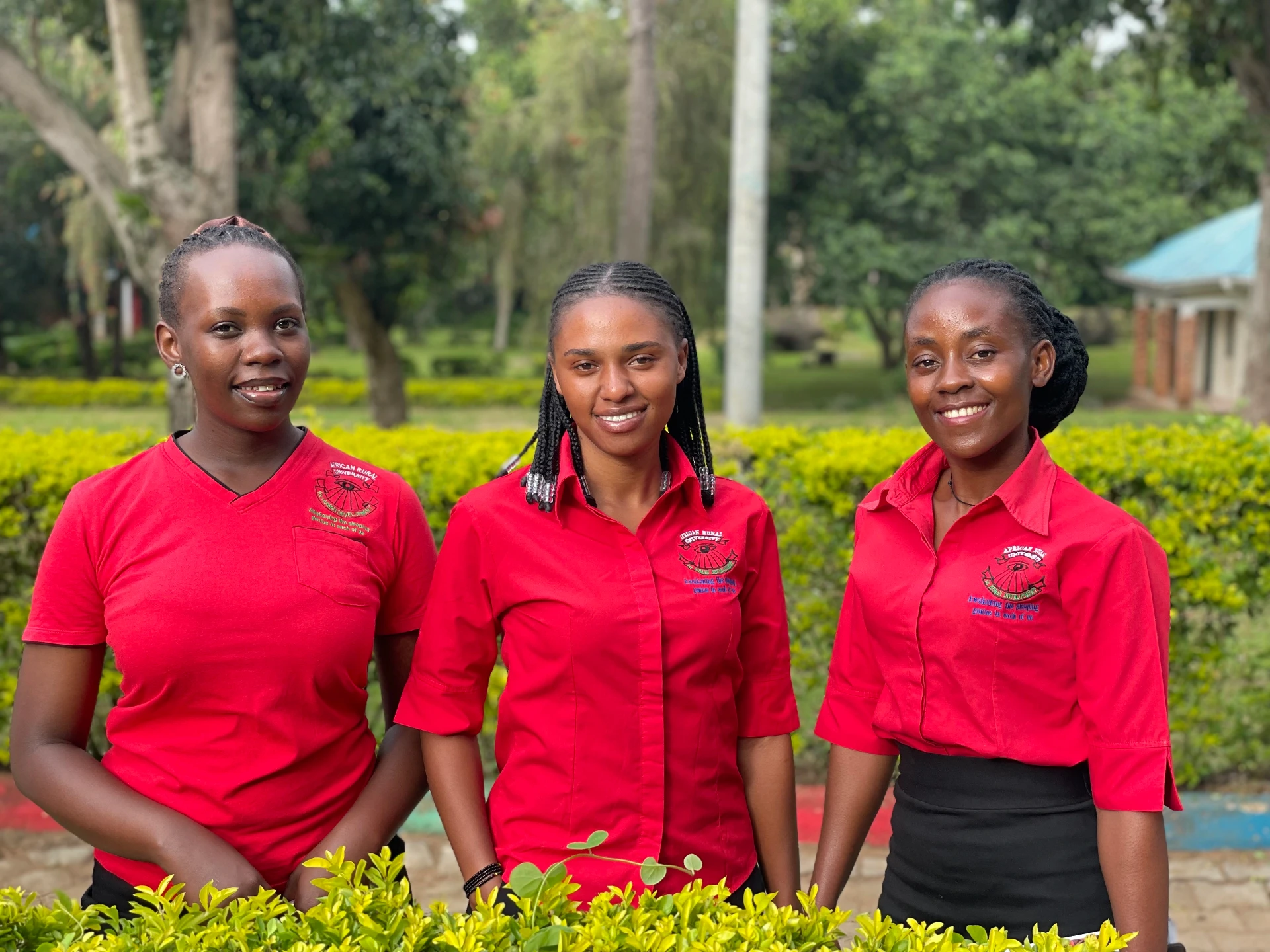
  • Three ARU students in university shirts together on campus
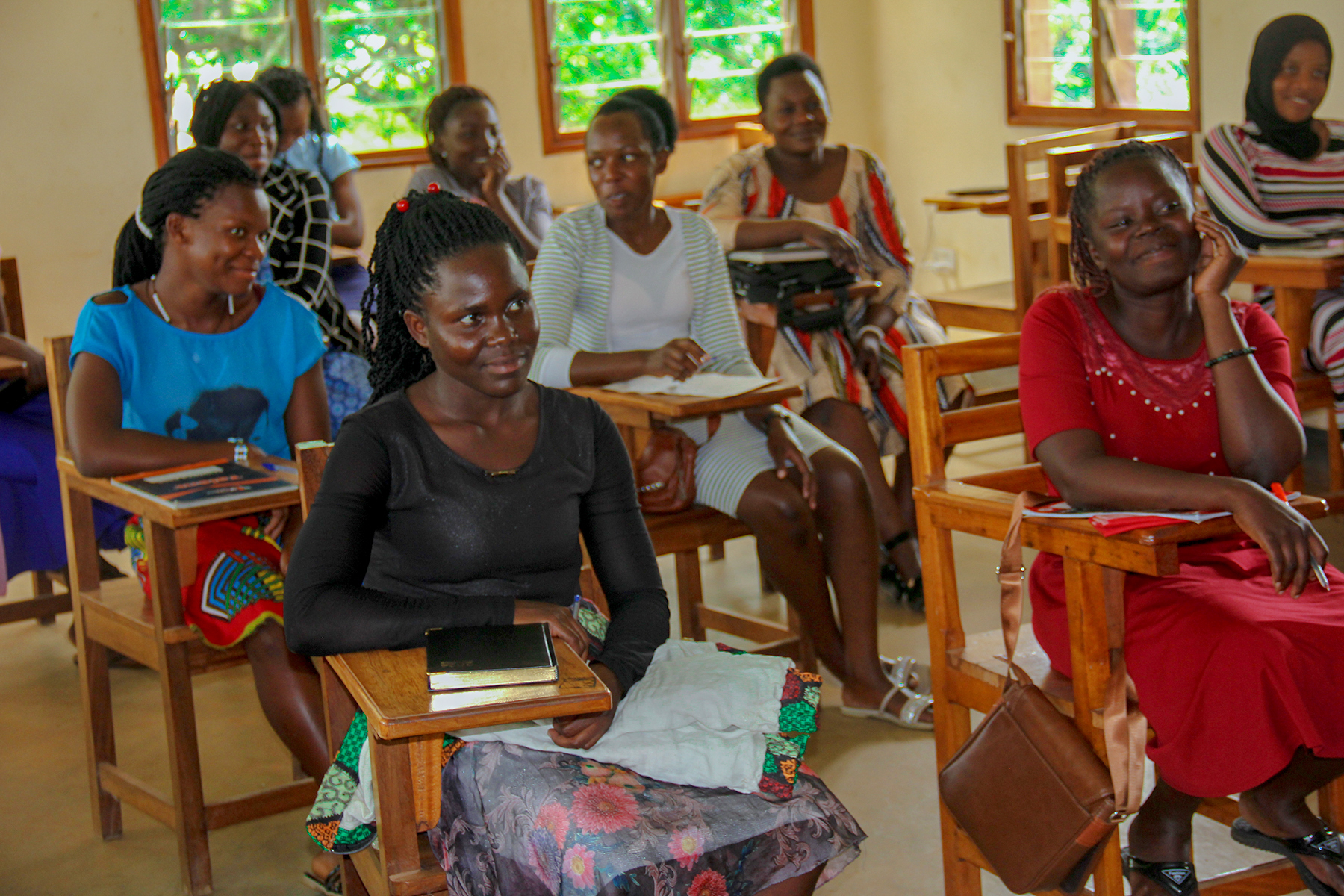
  • ARU students smiling during a classroom session
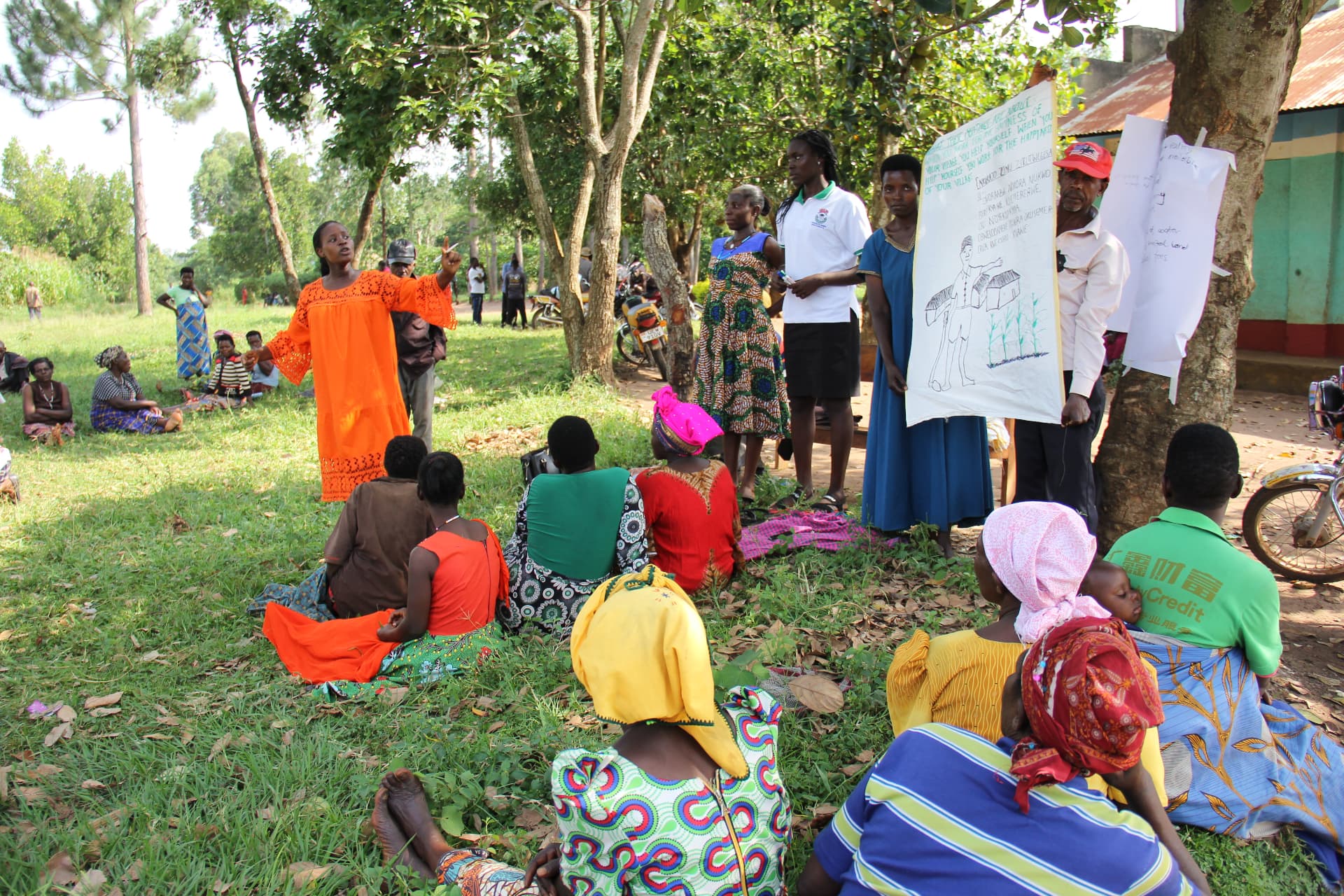
  • Students facilitating community action planning during practicum
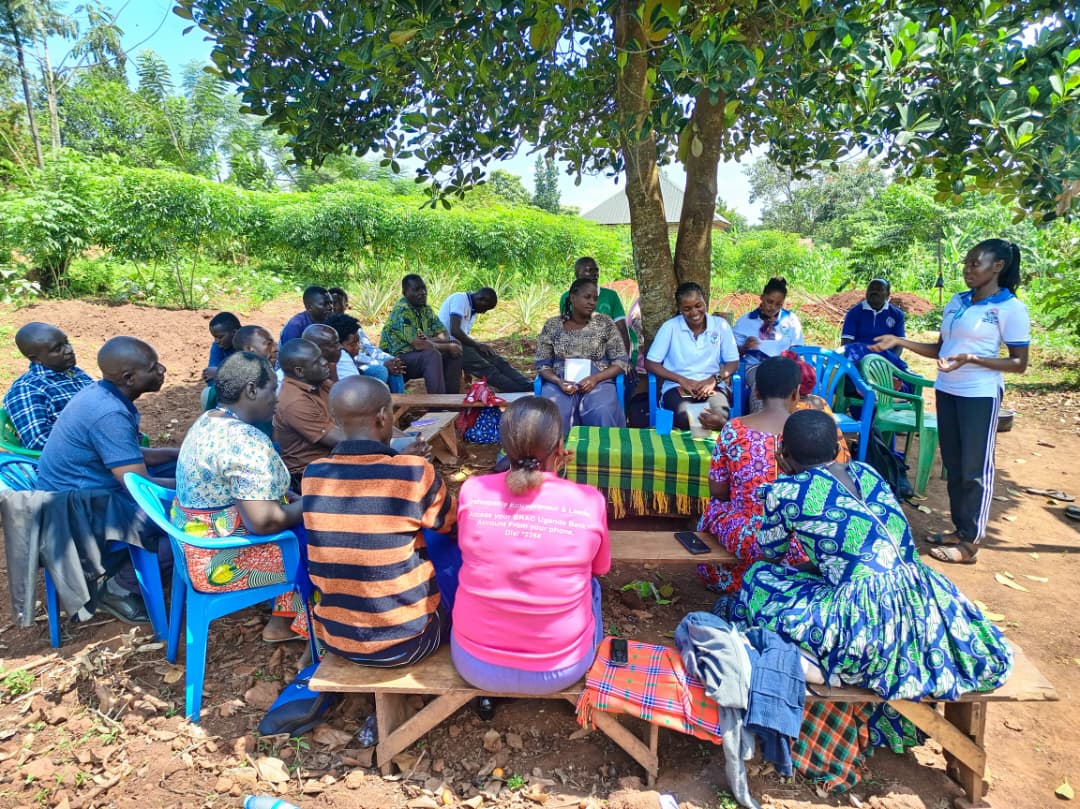
  • An ARU student presenting at a community meeting under a tree
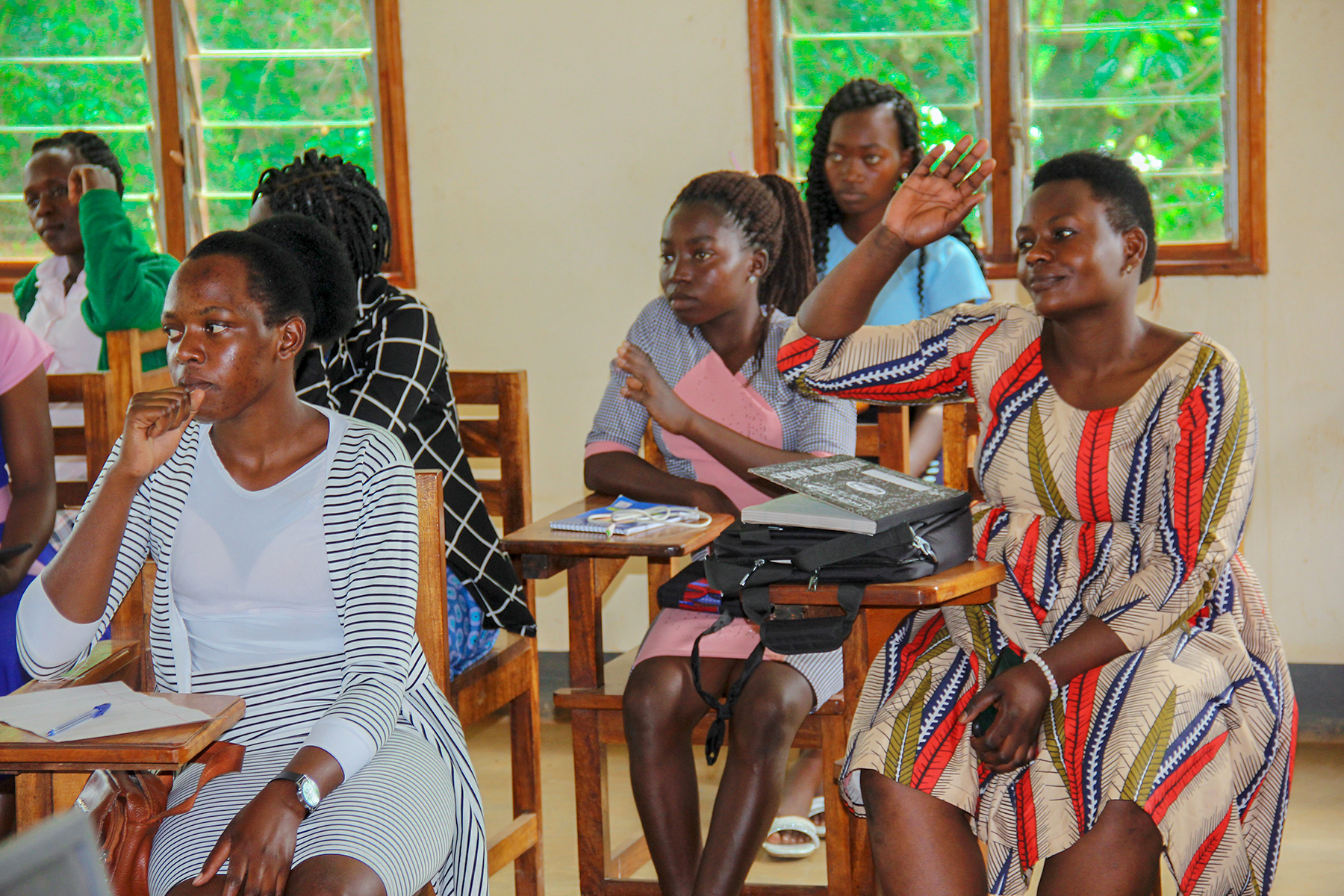
  • ARU students participating in a classroom discussion
  • Community members discussing a household plan at a village meeting
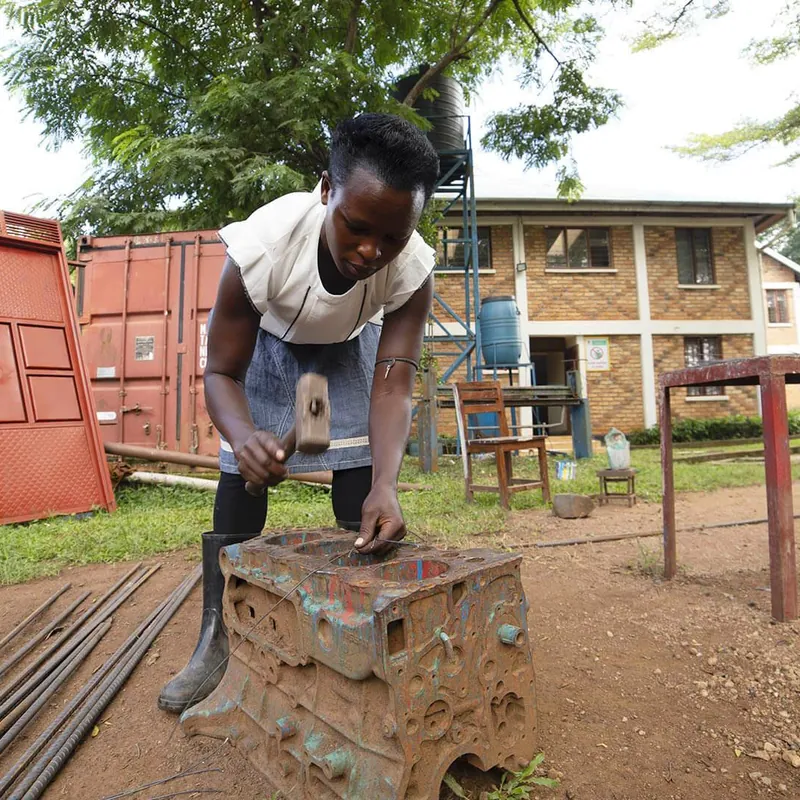
  • An ARU student using a hammer on an engine block outdoors during practical work

Stories from the ecosystem

Green Campus

Learn from wisdom

Knowledge does not exist only in textbooks. Through Traditional Wisdom Specialists, students encounter generations of indigenous knowledge about plants, seeds, food, medicine, farming and stewardship of natural resources.

Green Campus

Experiment and innovate

The campus is a space for demonstration, experimentation and discovery. Students test ideas, learn from what works and what does not, and explore possibilities that respond to the realities of rural communities.

The ARU community

Living in harmony with nature

The campus provides a living environment for agroforestry, sustainable agriculture, biodiversity and conservation, while its natural and rural character connects learning, culture, nature and tourism.

Come and see it for yourself

Visit the Kagadi campus or apply to study where learning and landscape meet.