Skip to content
African Rural University

Traditional Wisdom Specialists

Repositories of Knowledge at African Rural University

At ARU, we recognise traditional knowledge as a valuable resource for learning, research and rural transformation.

Knowledge is not held in academic books and institutions alone. It also lives within communities, passed down through generations through experience, practice, observation and storytelling.

At African Rural University (ARU), Traditional Wisdom Specialists (TWS) are recognised as important repositories of this knowledge. They bring generations of accumulated wisdom, practical skills and indigenous technologies into the university's teaching, learning, research and community engagement processes.

Working alongside lecturers, researchers and students, they help connect conventional academic knowledge with the lived experiences and practices of rural communities. Their contribution ensures that learning remains grounded in the African context while creating opportunities to document, examine, preserve and apply traditional knowledge to contemporary development needs.

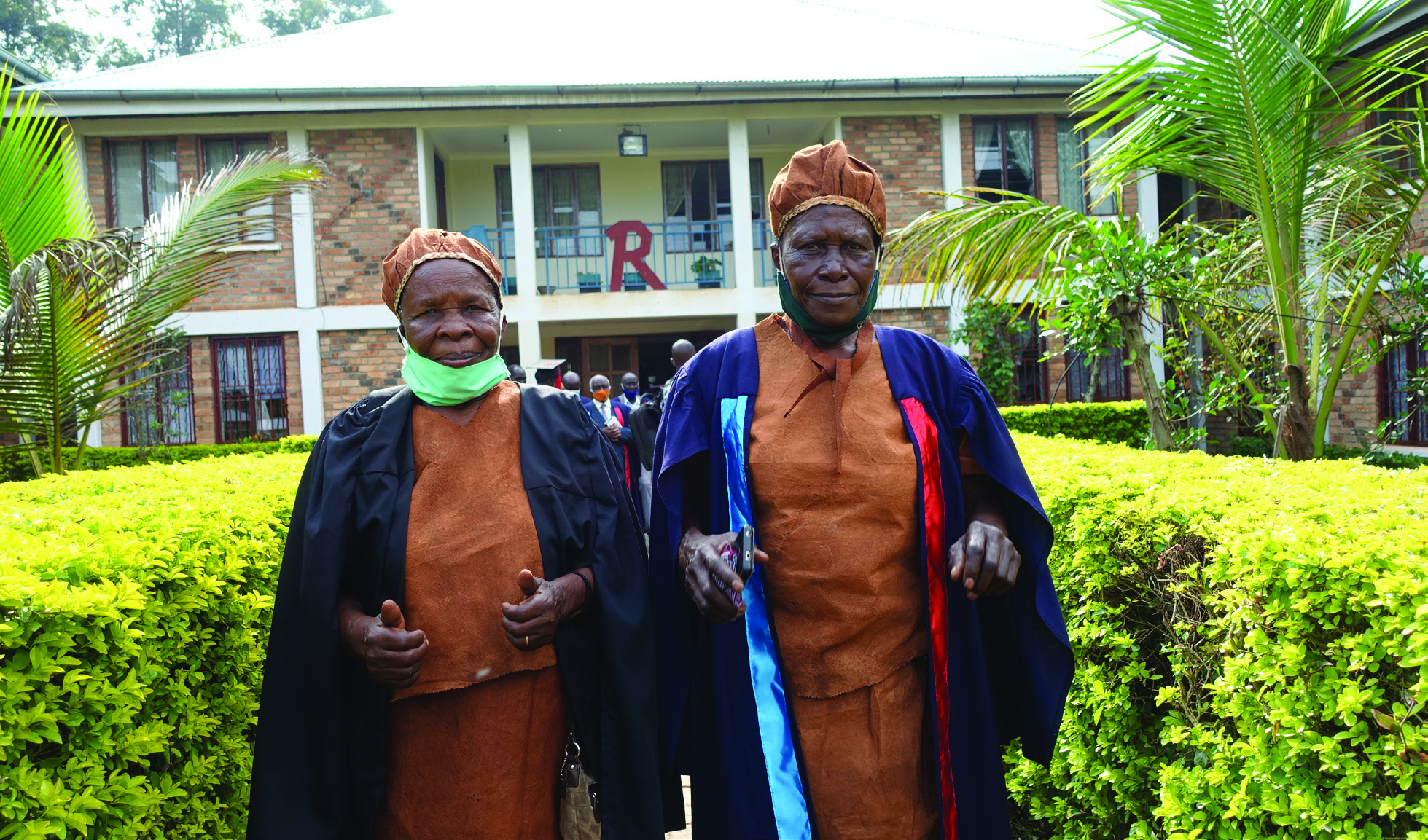
Two Traditional Wisdom Specialists in ceremonial robes standing outside an ARU campus building

01

Who are Traditional Wisdom Specialists?

Traditional Wisdom Specialists are elders and other respected members of communities who possess extensive knowledge, skills and experience developed and transmitted across generations. They are custodians, practitioners and teachers of indigenous knowledge systems, drawing on years of observation, experimentation and participation in community life.

Their knowledge spans various aspects of life, including appropriate technologies, environmental health, ethnomedicine, conflict resolution, social harmony, sustainable agriculture, traditional food systems and natural resource management.

While many are elders whose knowledge has been shaped by decades of experience, their contribution goes beyond preserving the past. They help younger generations understand the relevance of traditional practices, examine their application in contemporary society and explore ways of adapting them to emerging needs.

At ARU, Traditional Wisdom Specialists work alongside academic staff and students to ensure that indigenous knowledge is not merely discussed but experienced, documented, researched and applied.

Meet ARU's Traditional Wisdom Specialists

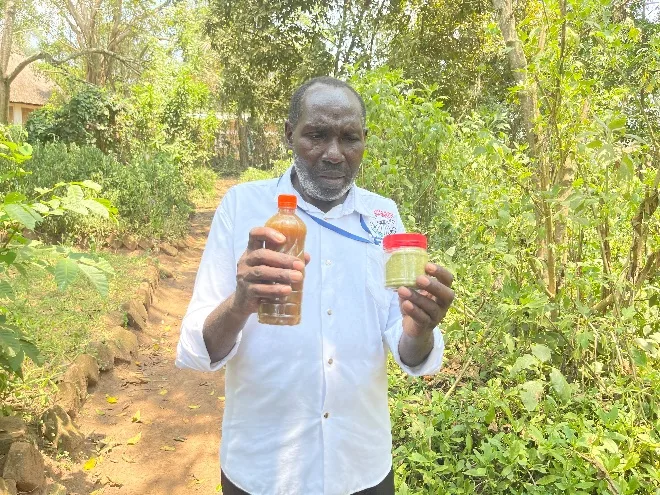
Twesiime Paulino holding two jars of herbal preparations on a garden path lined with plants

Twesiime Paulino

Traditional Wisdom Specialist, Ethnomedicine

Twesiime Paulino is a certified herbalist registered with Uganda's National Drug Authority and a Traditional Wisdom Specialist at African Rural University, with a focus on herbal medicine.

Originally from Mpefu Village, Mpefu Sub-county, Kagadi District, Paulino began his journey in herbal medicine in 1996. His knowledge draws on traditional practices, personal experience and continued exploration of Ugandan herbal remedies.

Paulino dreams and extracts herbal medicine with the end result being countless and proven testimonies that science may find hard to explain.

At ARU, he teaches herbal medicine, mentors students in cultivating medicinal plants and guides them in understanding traditional approaches to herbal preparation. He also contributes to the documentation and study of medicinal plants. This prepares students for community engagement where alternative medicine is preserved and used for different illnesses.

Together with other Traditional Wisdom Specialists, Paulino contributed to establishing the Bunyoro region's first university arboretum, a living collection of medicinal plants that provides students with practical learning opportunities and supports the study of ethnomedicine.

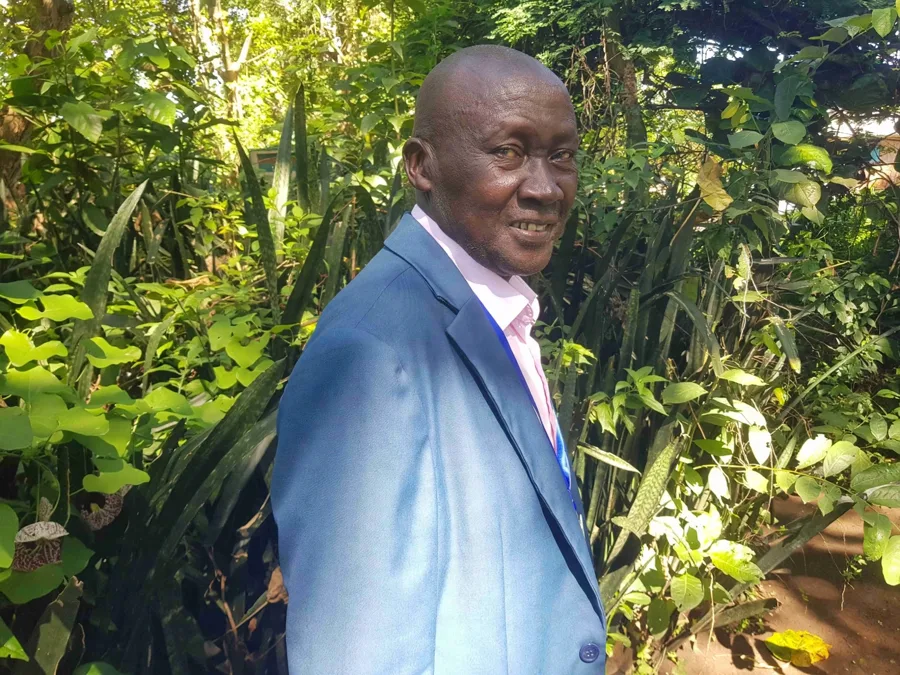
Kajoka B. Martin in a light blue jacket, smiling beside garden plants

Kajoka B. Martin

Traditional Wisdom Specialist

Born on 24th April 1942 in Kamata Village, Kagadi District, Uganda, Kajoka B. Martin brings extensive experience in education, human rights, governance, rural development and sports to his role at African Rural University.

Before joining ARU, he taught in six schools and served as a Senior Head Teacher for more than 20 years. He also gained governance experience through his work with the Kingdom of Bunyoro.

At ARU, Kajoka contributes to teaching, learning, research, innovation and community engagement within the African context. His areas of focus include mentoring students as agents of change, supervising student internships, promoting community health and sanitation, and supporting environmental conservation.

He also teaches Communication Skills, Governance, Social Systems and Culture, while supervising students' co-curricular activities. Through these engagements, he helps students understand the relationship between cultural values, social institutions, leadership and community development.

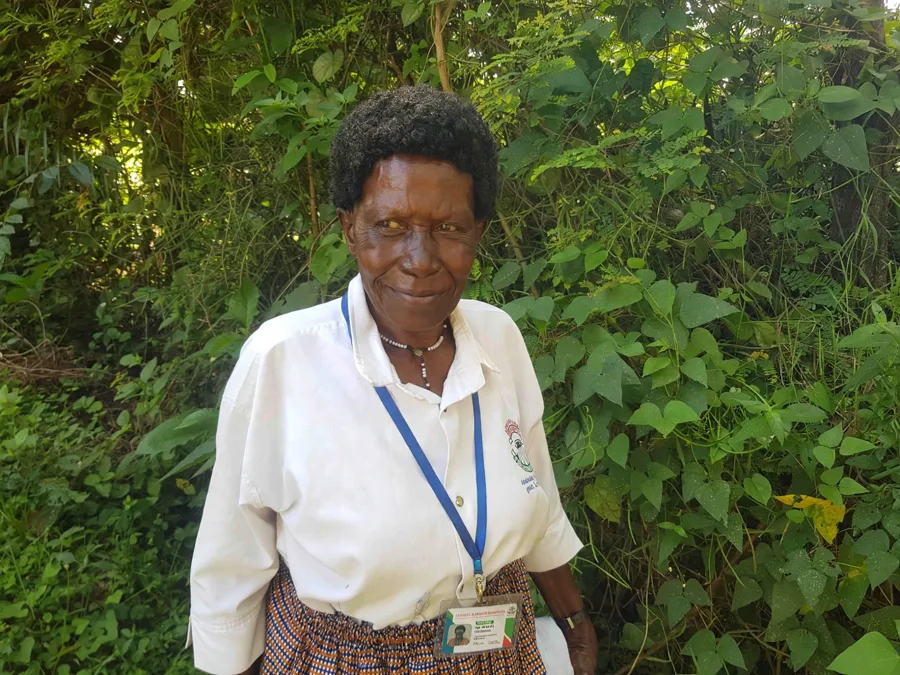
Ntuuti Christine in a white blouse and ARU lanyard, standing in front of green shrubs

Ntuuti Christine

Traditional Wisdom Specialist

Born on 17th July 1947 in Kagadi Town, Ntuuti Christine brings extensive practical knowledge in herbal medicine, adult literacy, traditional agriculture and food systems to African Rural University.

At ARU, she contributes to teaching, learning and community engagement, with a particular focus on herbal medicine, traditional foods and farming practices. She also promotes the spirit of Ubuntu among students, staff and community members, emphasising shared responsibility, mutual respect and collective wellbeing.

Christine works alongside other Traditional Wisdom Specialists in knowledge generation, innovation and sharing. She also engages community members in rural development initiatives relating to traditional economics, community health and climate change adaptation.

Her contribution helps preserve valuable cultural practices while creating opportunities for students to understand their relevance to contemporary rural development.

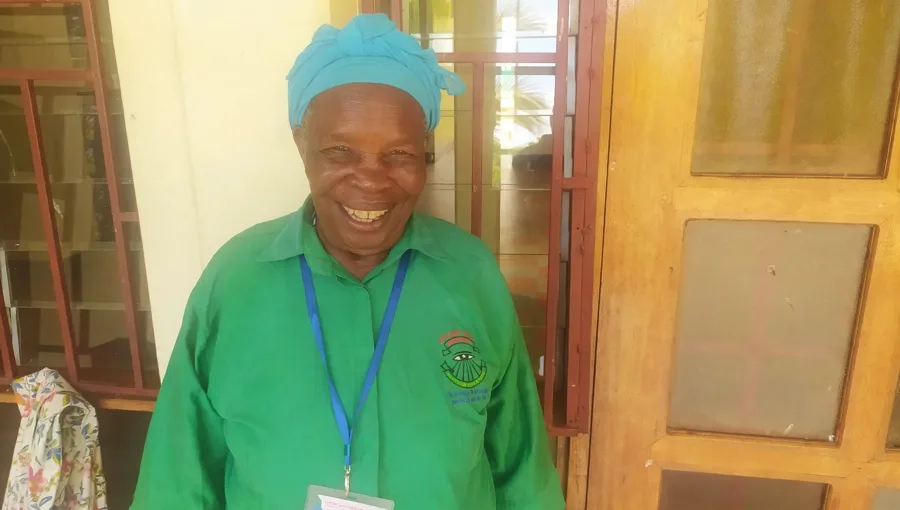
Joyce Ssemakula in a green top and headscarf, smiling in a doorway

Joyce Ssemakula

Traditional Wisdom Specialist

Born on 3rd January 1939 in Kyakabugahya Village, Kagadi District, Uganda, Joyce Ssemakula has spent much of her life serving communities as a traditional birth attendant and steward of cultural heritage. She also has experience as an arts and crafts trainer within the African context.

At African Rural University, Joyce shares her knowledge with students, lecturers and the wider community, particularly in ethnomedicine and traditional healthcare practices. She promotes mutual learning and respect for indigenous knowledge.

She actively contributes to the university's arboretum project, collecting information on medicinal plants and advising on ethnomedicine initiatives. She also teaches students about the different uses of local herbs and provides guidance and counselling to students and staff.

Through her work, Joyce helps students appreciate the relationship between traditional healthcare knowledge, cultural heritage and community wellbeing.

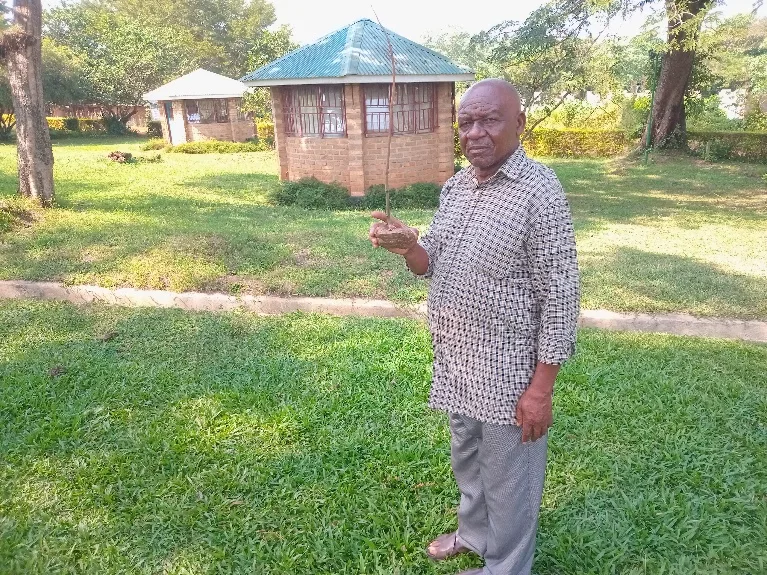
Byaruhanga George William in a checked shirt, standing on a campus lawn near a small round building

Byaruhanga George William

Traditional Wisdom Specialist

Born on 26th December 1955 in Siyoni Village, Mpeefu Sub-county, Kagadi District, Byaruhanga George William brings experience in agriculture, community development and local governance to his role at African Rural University.

His areas of expertise include appropriate technologies in the African context, African philosophy and anthropology, and communication approaches suited to rural communities.

At ARU, he works alongside academic staff in teaching and learning, developing educational programmes on African foods and agricultural practices. He also contributes to the development of context-appropriate models for sustainable development and the documentation of traditional farming and environmental conservation practices.

His responsibilities include conducting research, mentoring students during internships and supporting learning in appropriate technologies, traditional communication, social systems, agriculture, community engagement and environmental management.

He also contributes to initiatives in traditional business, herbal skills development, behavioural change and functional adult literacy.

02

What do Traditional Wisdom Specialists contribute at ARU?

Integrating traditional knowledge into teaching and learning

Traditional Wisdom Specialists work alongside lecturers to enrich the curriculum with practical knowledge and experiences drawn from African communities. Their contributions help students connect concepts learned in the classroom with practices that have sustained households and communities over generations.

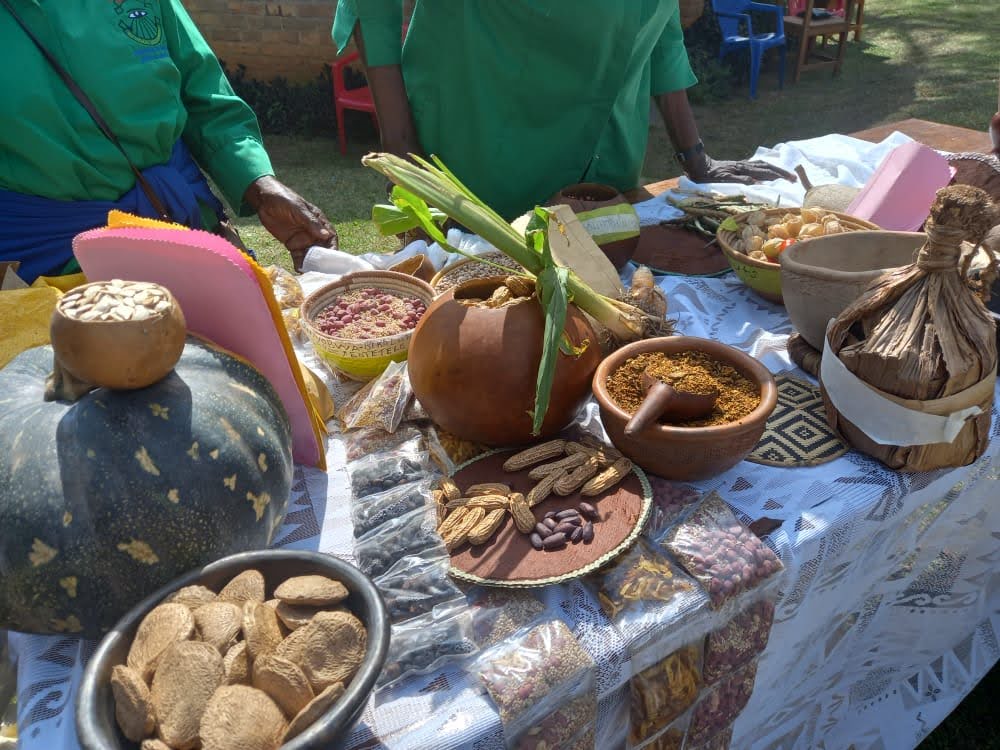
For example, when students study food processing and preservation, Traditional Wisdom Specialists share how communities traditionally preserved food using locally available resources and techniques. These experiences help students compare traditional and contemporary food preservation methods, understand how practices have evolved and appreciate the knowledge behind local food systems.

Similarly, during lessons on the control of agricultural pests and diseases, Paulino shares traditional approaches to managing pests using locally available plants. Students subsequently identify relevant plants and explore their uses in preparing plant-based formulations for practical demonstrations in the university's gardens.

This interaction allows students to examine how indigenous agricultural knowledge can inform environmentally conscious approaches to pest management, while understanding the need to assess the safety and effectiveness of different preparations.

Through these practical engagements, students learn to appreciate both traditional and scientific knowledge and explore how they can complement one another in addressing contemporary agricultural and environmental challenges.

Joint research and knowledge generation

Traditional Wisdom Specialists collaborate with lecturers, researchers and students to explore issues relevant to rural communities. Their contribution is particularly important in research involving indigenous knowledge, food security, land management, traditional healthcare, ethnomedicine and environmental conservation.

They help students identify community knowledge holders, understand local practices, interpret cultural contexts and document knowledge that might otherwise remain undocumented.

For instance, in ethnomedicine research, a Traditional Wisdom Specialist can guide students in identifying medicinal plants, understanding their traditional uses and documenting how communities prepare and apply them. This provides a foundation for further research, including scientific investigation of the plants and their properties.

In agriculture, their knowledge of traditional farming practices, local seed varieties, soil management and food preservation can inform research into sustainable food systems and context-appropriate technologies.

The collaboration creates an opportunity for indigenous knowledge to be documented, examined and shared while recognising the communities and knowledge holders from whom it originates.

Mentorship and practical skills development

Traditional Wisdom Specialists provide students with practical guidance that complements classroom instruction. Through demonstrations, field engagements and mentorship, they help students acquire skills rooted in local knowledge and experience.

This includes identifying useful plants, understanding traditional food systems, exploring appropriate technologies, appreciating cultural values and engaging respectfully with communities.

Community engagement and intergenerational knowledge sharing

As experienced members of their communities, Traditional Wisdom Specialists help connect the university with local knowledge systems and community experiences.

They participate in community engagements, share knowledge with households and support students in understanding local priorities, cultural practices and development aspirations.

This interaction also creates opportunities for younger generations to learn from older generations, strengthening the transmission of valuable knowledge while encouraging dialogue between traditional experience and contemporary approaches to development.

Innovation and appropriate technologies

Traditional Wisdom Specialists contribute to the exploration and adaptation of technologies that draw on locally available resources and respond to community needs.

By sharing knowledge of traditional agriculture, food processing, herbal practices, crafts and resource management, they help students explore solutions that are practical, culturally relevant and environmentally appropriate.

At ARU, this knowledge provides an important foundation for innovation that is informed by the African context and the experiences of rural communities.
03

Bringing generations of knowledge into the future

At African Rural University, Traditional Wisdom Specialists are more than custodians of cultural heritage. They are active contributors to the university's academic and community engagement processes.

By bringing their knowledge into classrooms, research activities, practical demonstrations and community engagements, they help students recognise that valuable knowledge exists within the communities they serve.

Their contribution strengthens the connection between generations, enriches academic learning and creates opportunities to apply indigenous knowledge to contemporary rural development.

A display of indigenous foods, seeds, gourds and traditional containers with participants gathered around the table

At ARU, we recognise that transforming communities also means recognising, learning from and building upon the knowledge they already possess.

Ready to join ARU?

Applications open each April and close in August. The next window opens April 2027.